Insights for 2026
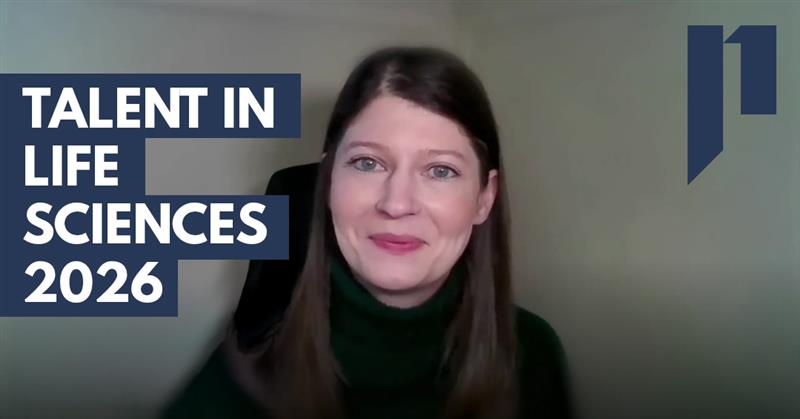
The life sciences industry is evolving at an unprecedented pace, driving a surge in demand for specialized talent. In a recent Video, Kaitlin Hermiller, Senior Vice President of RPO Operations at PrincetonOne, offered her expert perspective on the future of talent acquisition as we approach 2026. Drawing from her 15+ years of experience, Kaitlin highlighted the need for adaptability and strategic hiring in a rapidly changing market.
In this article, we’ll walk through the hidden signs of a challenging recruitment experience and diagnose the root causes before they lead to missed hires, declined offers, or damage to the employer brand.
Emerging Skill Sets and the Growth of Niche Roles
Innovation and new drug discoveries are propelling the life sciences sector forward. As a result, roles in bioinformatics, regulatory affairs, and clinical operations are becoming increasingly specialized. Organizations must adopt targeted recruitment strategies and ensure their recruiters have the expertise to identify and connect top talent to these niche roles. Partnering with specialized recruiting teams, such as PrincetonOne, can provide the competitive edge needed in this landscape.
Leveraging AI in Recruitment
Artificial intelligence is transforming talent acquisition from an option to a necessity. Kaitlin emphasized that AI enables recruiters to automate repetitive tasks, such as candidate sourcing and screening, freeing them to focus on relationship-building and assessing fit. Rather than replacing recruiters, AI enhances their capabilities, streamlines processes, and equips them with the “superpowers” needed to excel.
Flexible Hiring Solutions Amid Budget Pressures
As organizations seek to maximize their budgets, there’s a clear trend toward project-based and interim hiring. Flexible, just-in-time talent solutions enable companies to address immediate needs while remaining agile. Modularized recruitment offerings from firms like PrincetonOne help businesses scale their efforts efficiently and effectively, enabling them to respond quickly to market changes.
Elevating the Candidate Experience
With competition for talent fiercer than ever, delivering an outstanding candidate experience is crucial. Kaitlin stressed the importance of transparent communication and clear processes throughout the hiring journey. Today’s candidates expect more, and organizations must rise to meet those expectations to attract and retain the best professionals. Enhancing candidate experience also strengthens employer branding, a vital differentiator in the market.
Collaboration and Long-term Strategyers page, and job portal
Success in talent acquisition depends on strong collaboration among internal teams and external partners, such as RPOs. Building deep partnerships enables better workforce planning and smoother tech adoption, while focusing on long-term ROI rather than quick wins creates a more resilient workforce.
Crafting a Strong Employer Brand
A compelling employer brand is instrumental in attracting top talent. Kaitlin advised organizations to be intentional in shaping their public narrative, ensuring that company values and culture are front and center. Aligning employee perceptions with organizational goals is key to refining employer branding and boosting recruitment success.
Looking Ahead: Key Takeaways for 2026
The road to 2026 will bring even more specialization and competition in life sciences talent acquisition. Organizations that leverage AI, prioritize candidate experience, form strategic partnerships, and invest in their employer brand will be best positioned to succeed. The future belongs to those who adapt, innovate, and truly understand the industry’s evolving needs.
Ready to improve your hiring results?
Partner with PrincetonOne and discover how our customized RPO solutions can streamline your recruitment, improve candidate quality, and drive long-term business results.
Get Started